Full Dentures
Full dentures replace an entire upper or lower set of teeth, custom-made in our on-site lab at Bossley Park.
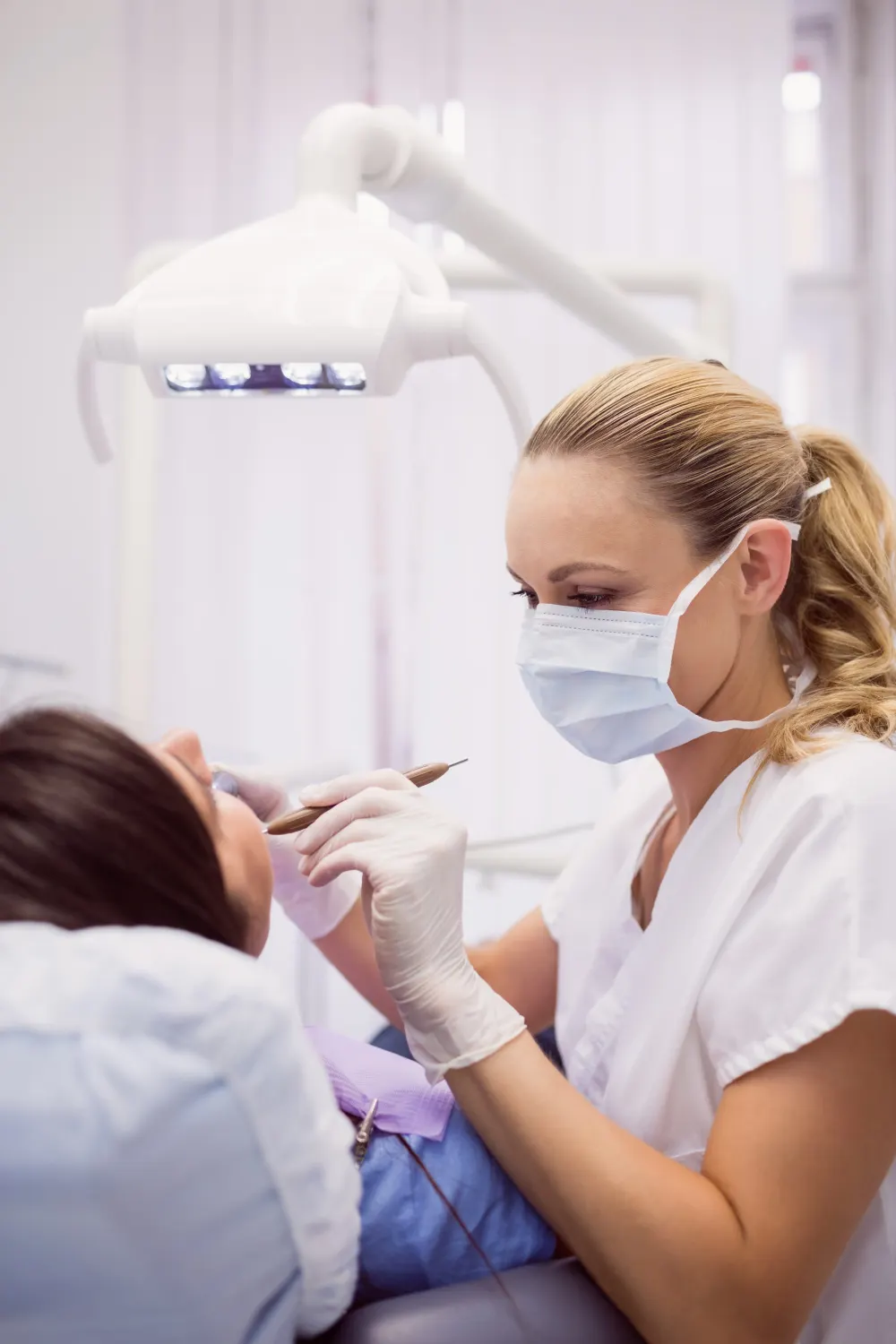
A full denture replaces an entire set of teeth on the upper or lower jaw, where a partial denture only fills in the gaps left by missing teeth. It’s generally the right option once all the natural teeth on one or both jaws are gone, or are due to come out.
Who needs a full denture?
You might be considering a full denture if you’ve already lost all your teeth on one or both jaws, or if a dentist has advised that your remaining teeth aren’t able to be saved. Some people move to a full denture gradually, starting with a partial denture as more teeth are lost over the years; others need one fitted after a full extraction all at once. Either way, we’ll talk through your situation at a consultation before recommending anything.
How we make them
The process starts with an assessment of your gums and jaw, followed by impressions that go straight to our on-site laboratory. Because the lab is on the premises rather than being sent off-site, we can make adjustments during the fitting stage without you waiting weeks between visits. A full denture is built in stages — an initial fit, followed by one or more adjustment visits — so the final fit reflects how your mouth actually responds, not just the original impression.
What to expect early on
New dentures generally take some getting used to. It’s common to notice extra saliva, some looseness while your muscles learn to hold the denture in place, and a period of adjusting to speaking and eating with them. Soft foods cut into smaller pieces are usually easier while you adapt, and minor sore spots in the first weeks are normal and are exactly what adjustment visits are for — tell us where it’s rubbing and we’ll adjust the fit.
Caring for a full denture
Clean it daily with a soft brush and a denture cleaner rather than ordinary toothpaste, which can be abrasive. Take it out overnight to give your gums a rest, and keep it in water or a denture-soaking solution so it doesn’t dry out and warp. Your gums and jawbone continue to change shape after your teeth are gone, which is why a denture that fitted well a year or two ago may need a reline — we check for this at your regular visits.
Book a consultation
Call us or use the contact form to book a consultation about full dentures. Bring your health fund card if you have one, so we can check what applies to you.
You might also find this useful
Our other services
Our clinic provides a wide range of tailored treatments, each crafted to help you achieve the beautiful, confident smile you deserve.
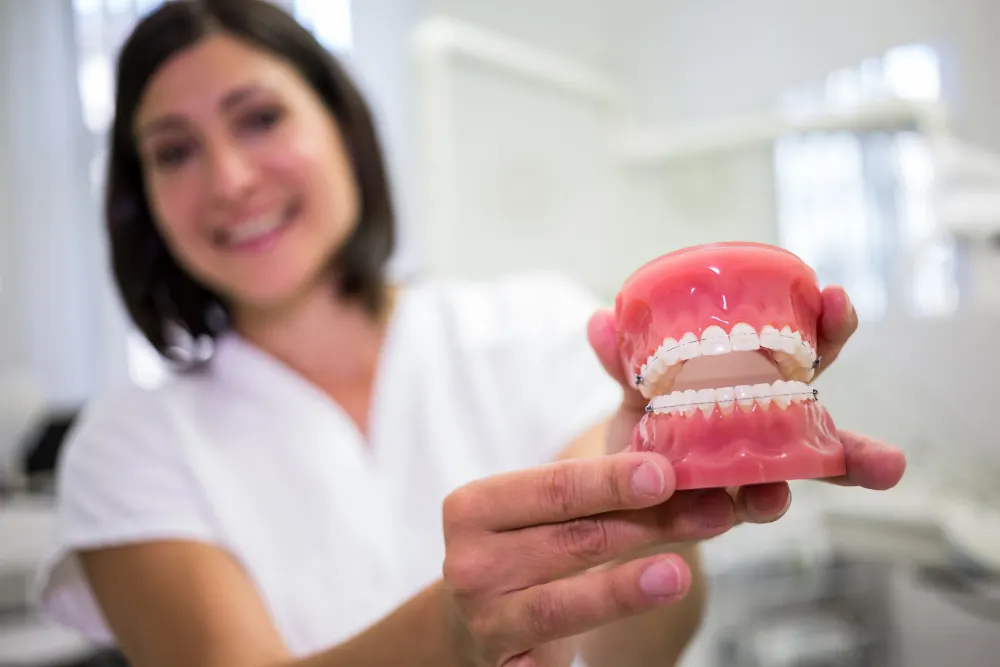
Partial Dentures
Replace missing teeth with partial dentures designed to blend with your natural teeth.
Explore Partial Dentures
Denture Repairs & Relines
Fast and reliable repairs or relines to keep your dentures secure and functional.
Explore Denture Repairs & Relines
Emergency Denture Repairs
Quick solutions for unexpected issues to restore your smile with minimal downtime.
Explore Emergency Denture RepairsImplant Overdentures
Securely anchored dentures that stay firmly in place for comfort and confidence.
Explore Implant Overdentures
Custom Mouthguards
Protect your teeth with custom-made mouthguards designed for safety and comfort.
Explore Custom Mouthguards
Mobile Denture Clinic
Convenient at-home care for aged care and nursing home residents.
Explore Mobile Denture Clinic